

ALL OUR NEWS
NEWS
News
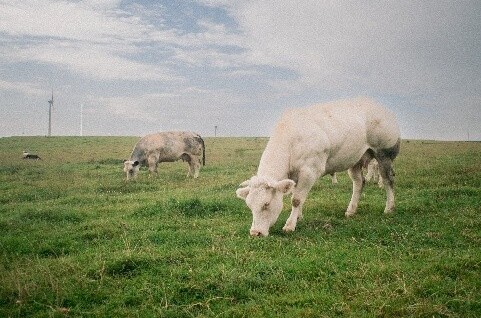
Cattle farming emits methane, but it also plays a central role in agroecosystem balance.
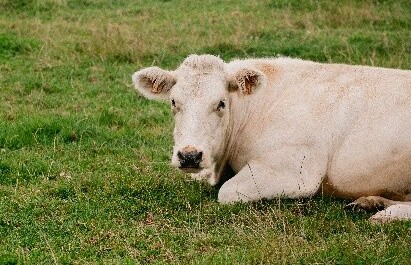
Without decent incomes, there can be no sustainable transition. Today, the Belgian beef sector faces multiple challenges.
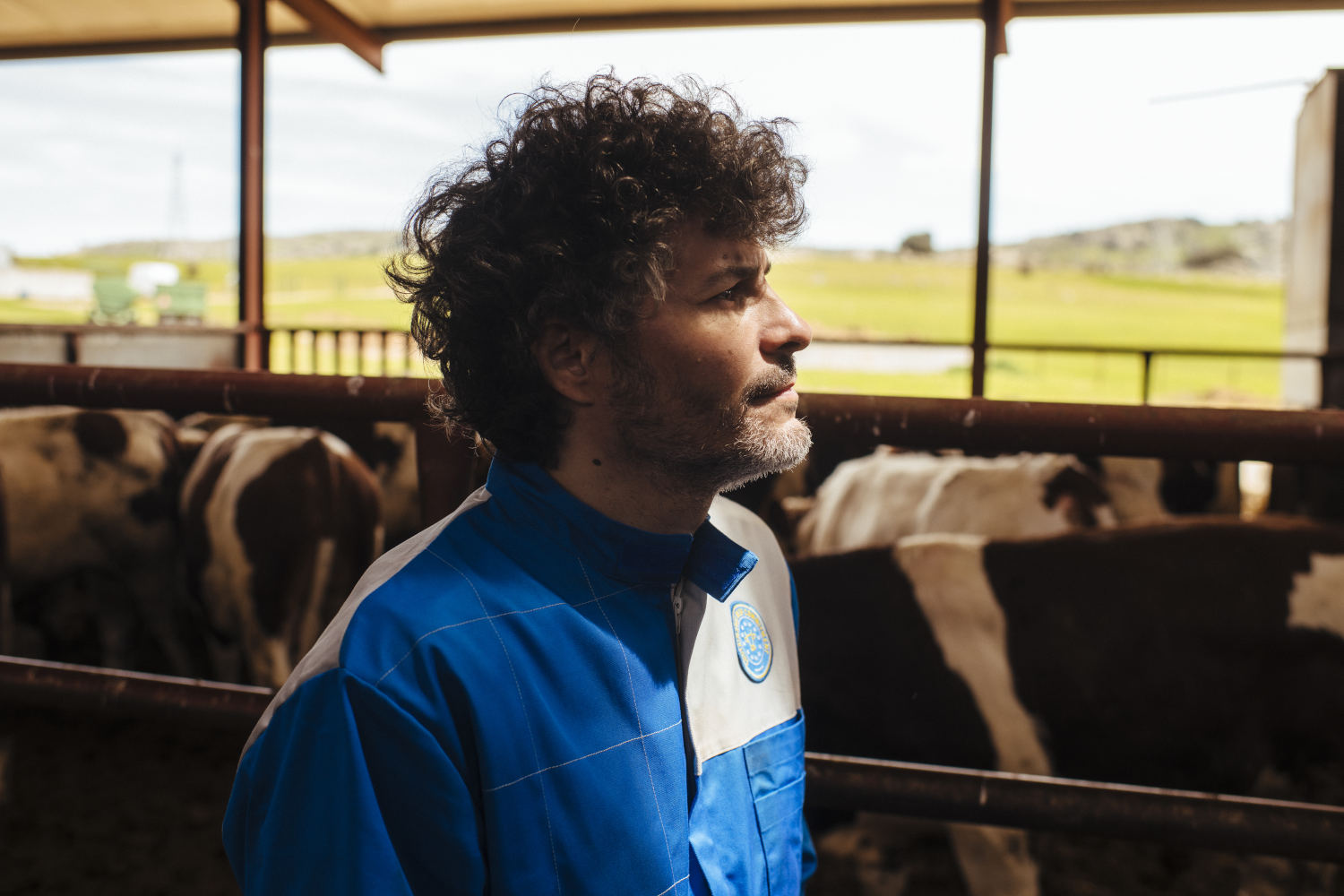
The European beef sector has accepted that sustainability is no longer an option, but an essential condition for ensuring its future viability
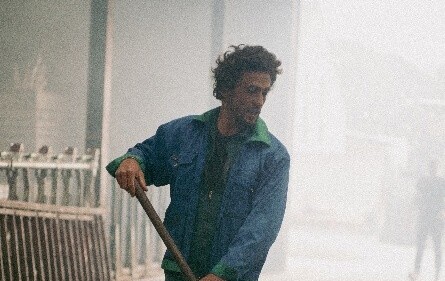
In Belgium, cattle farming underpins the rural economy and shapes the landscape.
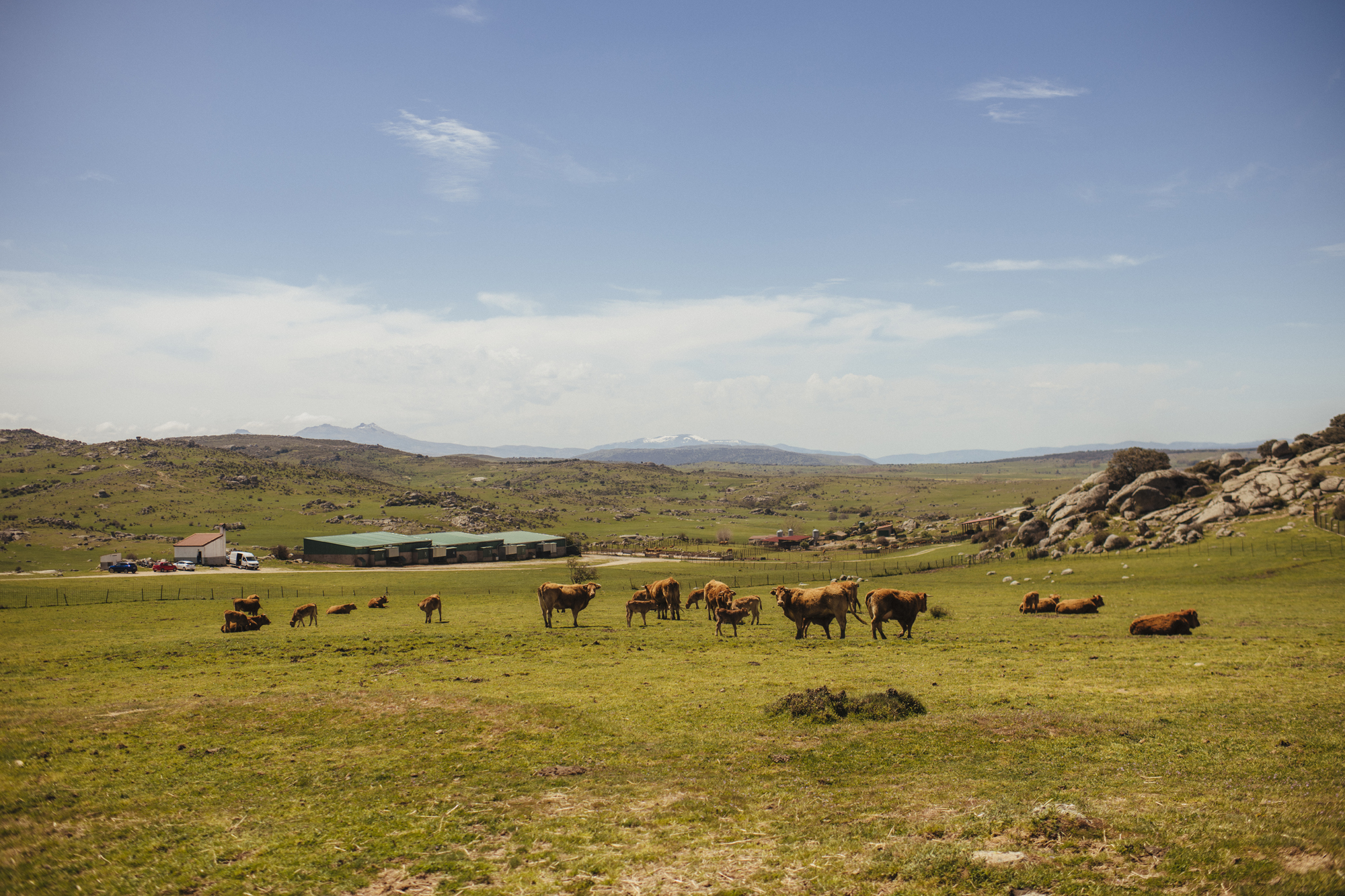
Only by continuously monitoring the health of the soil on farms dedicated to beef cattle farming can we improve it and take action when necessary
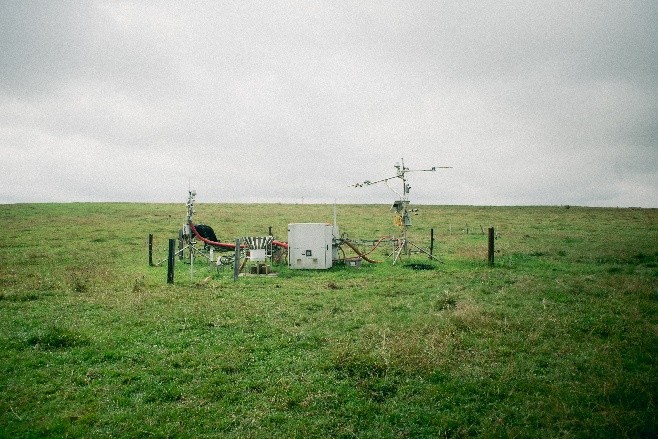
The European Union has committed to reducing its greenhouse gas emissions by at least 55% by 2030 and achieving carbon neutrality by 2050.
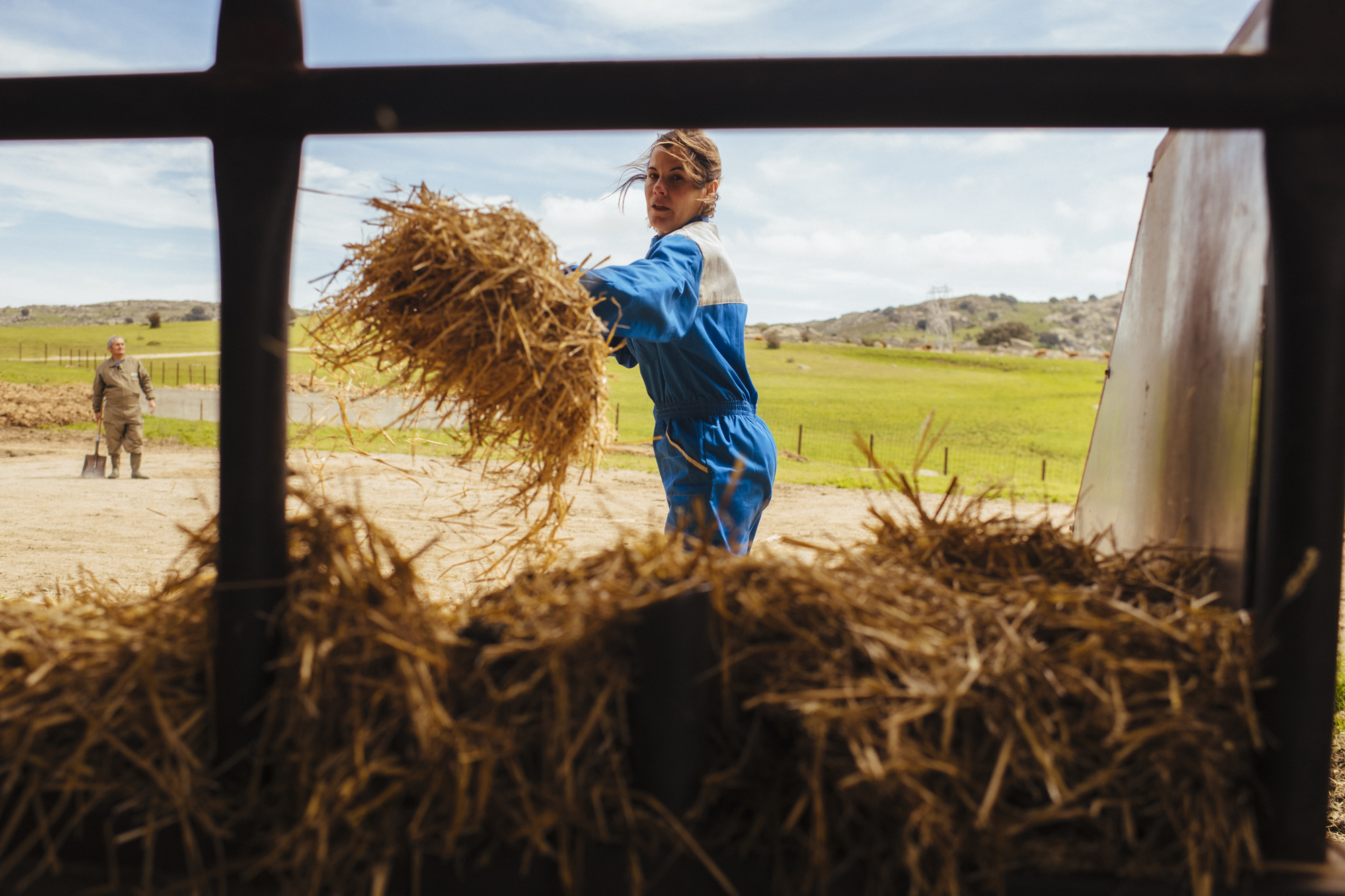
European beef cattle farming is much more than just an economic sector: we are the guarantee of a future for our rural areas.
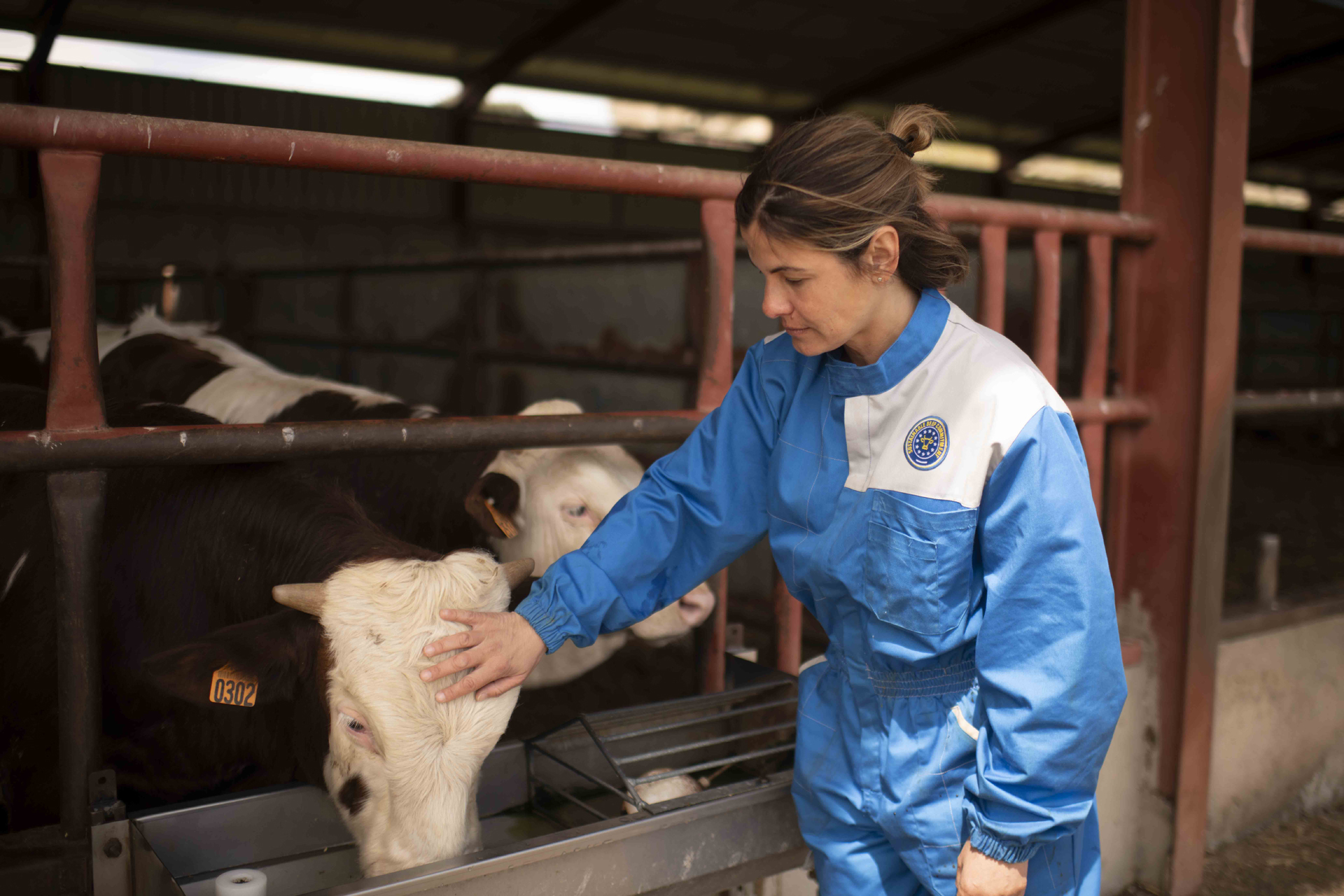
In the European beef sector, we are fully aware of this and are therefore implementing specific measures to prevent soil degradation
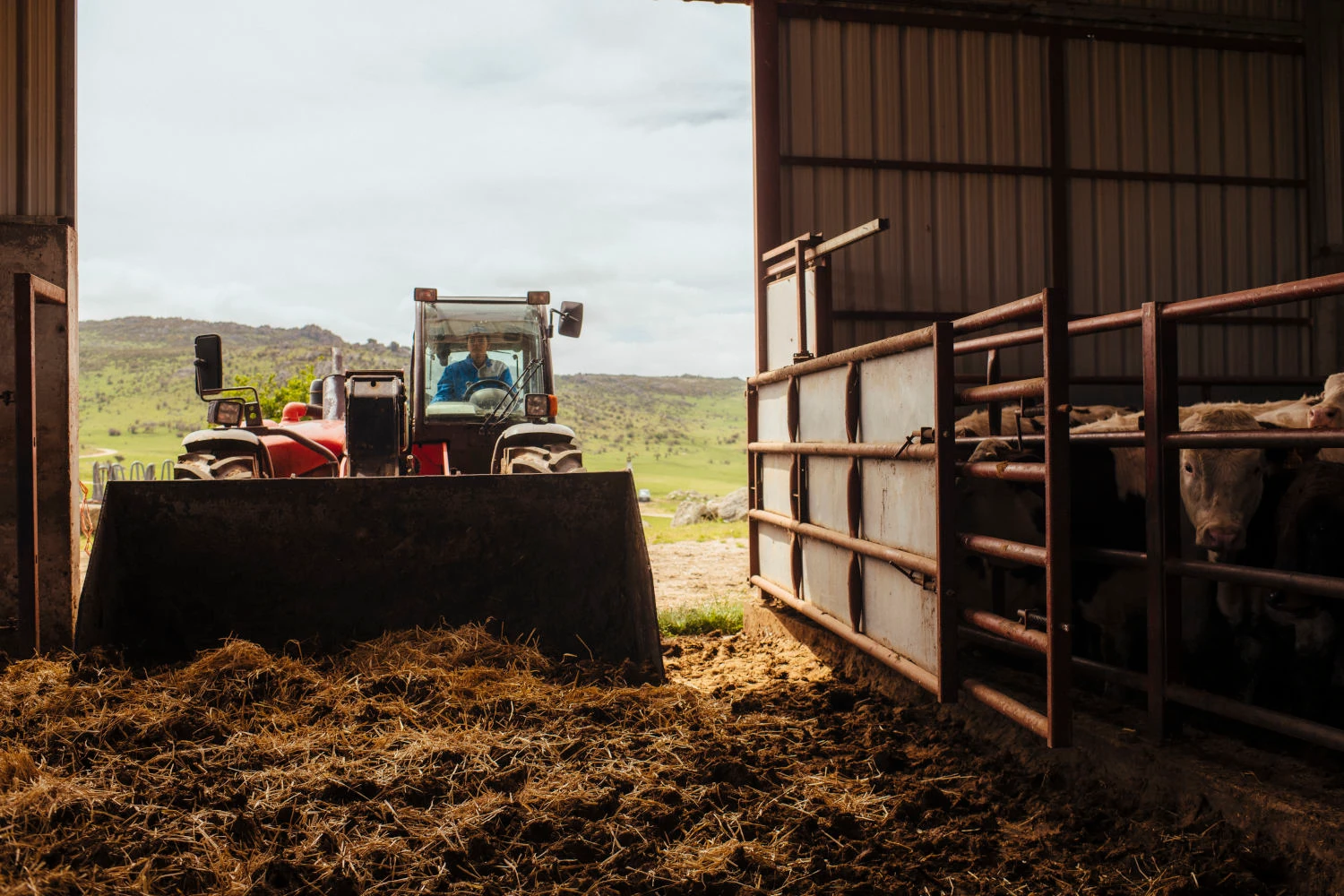
The European beef sector is firmly committed to reducing our emissions and moving towards a fully sustainable model.
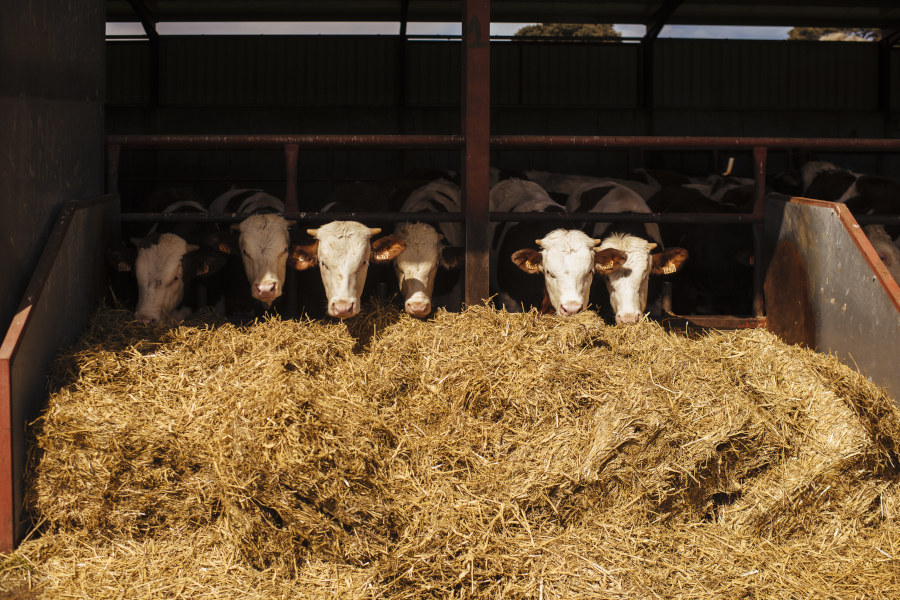
In the European beef cattle sector, we are clear about this, and we work closely with scientists and technicians to improve our production system in different areas every day.
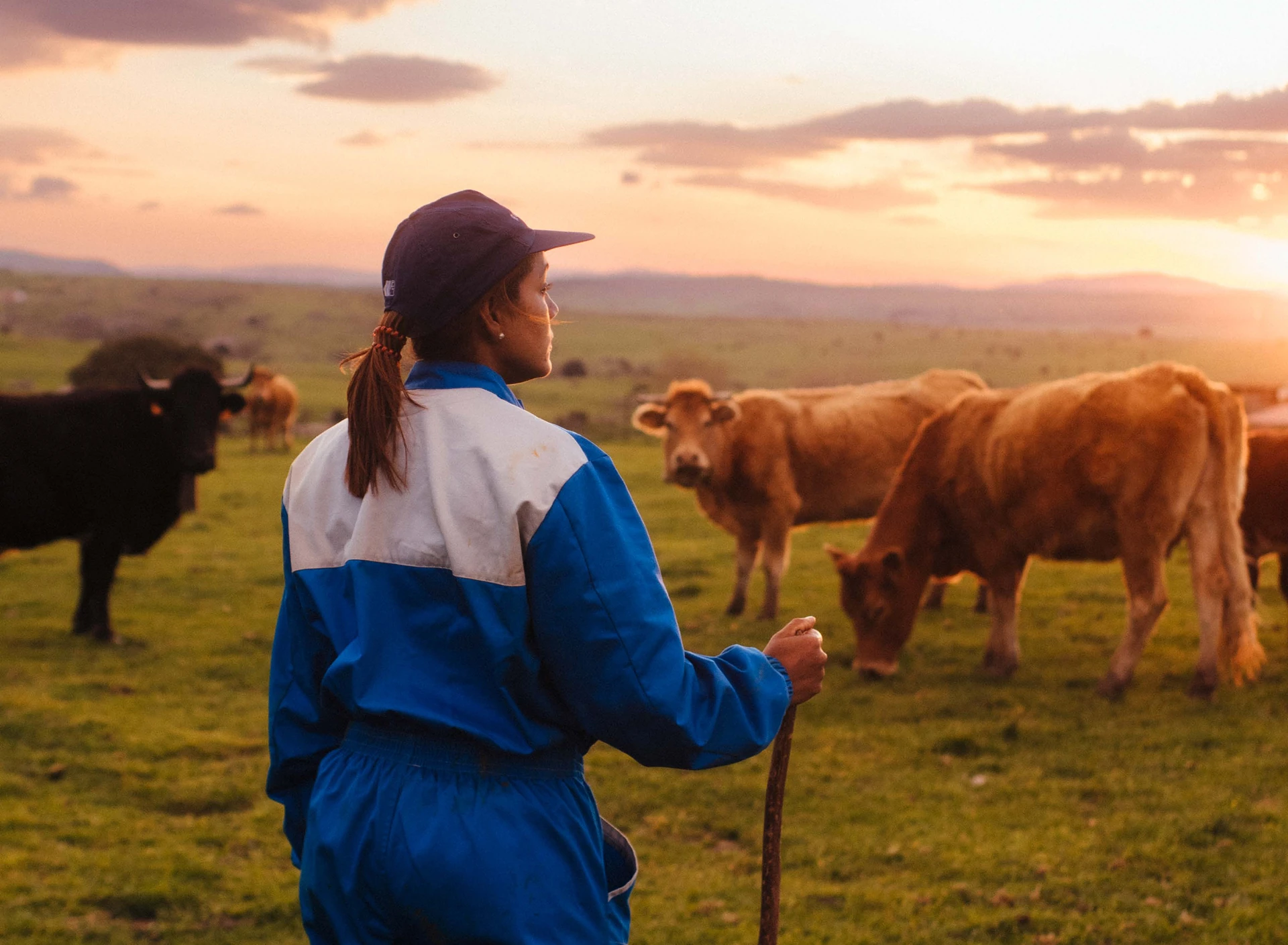
Provacuno and APAQ-W join forces in a campaign to promote sustainability in the European beef sector
The programme, called Sustainable European Beef (SEUB) and with the slogan ‘For a sustainable Europe, the special mission of beef’, includes actions aimed at both the public and the production sector itself.
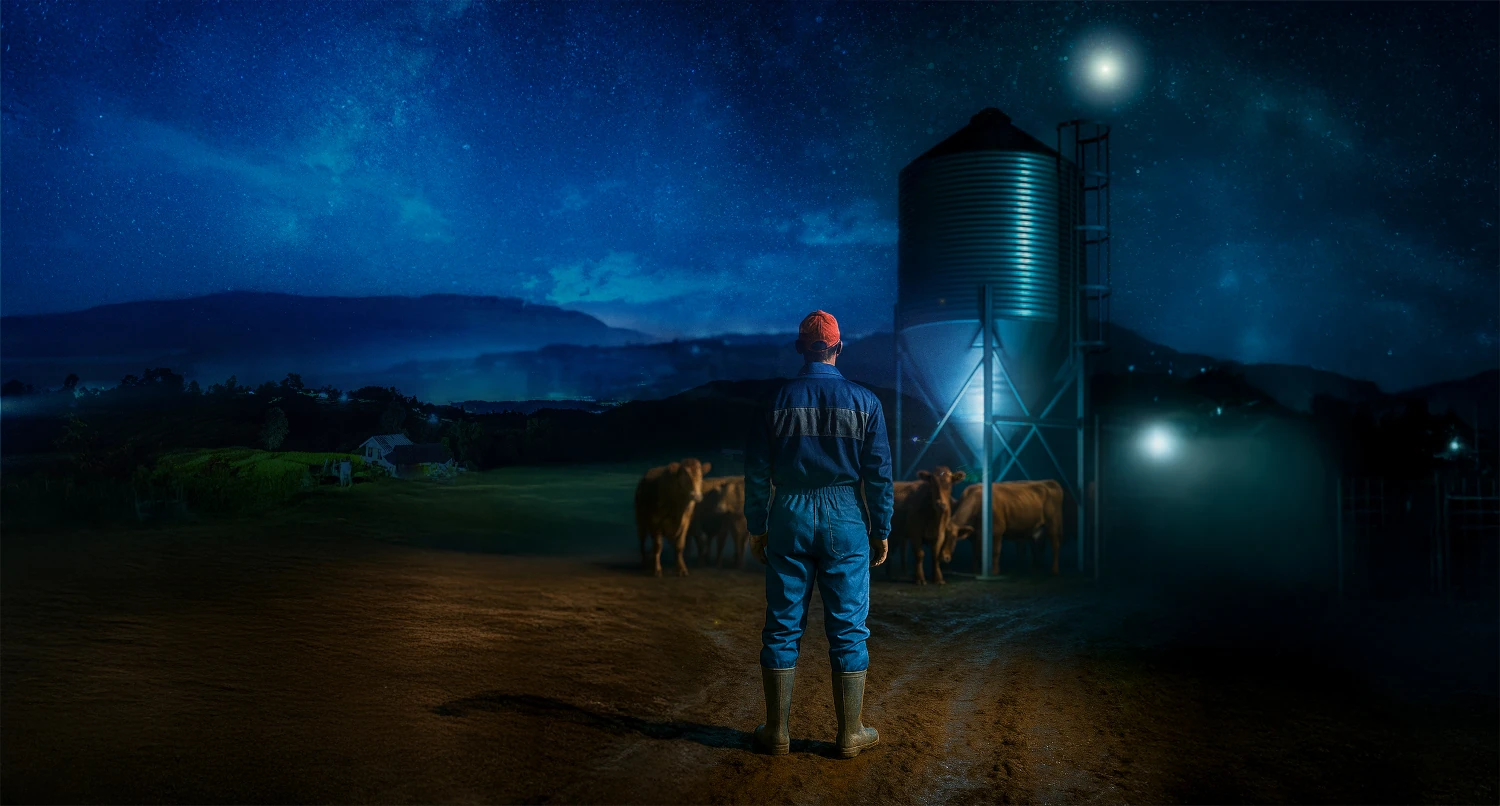
Emission reduction and soil prevention and enhancing are the main objectives for the sector.