Save the date
I SYMPOSIUM ON THE SUSTAINABILITY OF EUROPEAN BEEF
12 November. Brussels
This symposium has been organised in response to the need for a meeting point that brings together all the stakeholders involved in the sustainability of beef cattle. It aims to be a forum of interest at a European level for all links in the beef production chain.
PROGRAMME
The symposium will be divided into four roundtables. The participants of each of them will be announced soon:
Complete the form to reserve your place now!
If you would like to participate in person or online, you can register for free here:
Program
8:30–9:30 a.m. Registration and welcome coffee
9:35 a.m. Welcome – Provacuno – Javier López, General Director
9:40 a.m. – Welcome – Apaq-W – Philippe Mattart, General Director
9:50 a.m. – Round table #1 – ECONOMIC SUSTAINABILITY, “VIABLE AND AFFORDABLE PRODUCTION”
- Benoît Cassart, Livestock Farmer; MEP (Belgium); Co-Chair, Intergroup on Sustainable Livestock
- Heinz Osterloh, Former president of DVFB and honorary member of the European Union of Livestock Trade and Meat Affairs (UECBV)
- Peer Ederer, Director, Global Food and Agribusiness Network (GFAN); Founder, GOALSciences
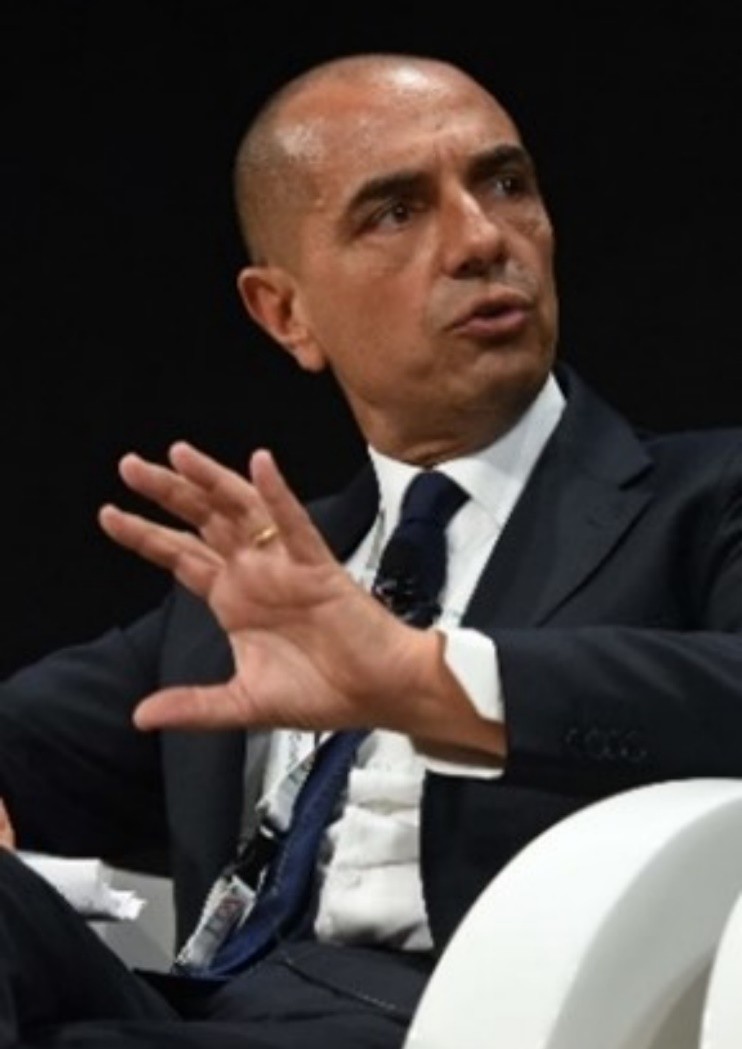
- Luigi Scordamaglia, CEO of Filiera Italia; Director of Markets, Internationalization, and European Policies at Coldiretti
10:40 a.m. – Question and answer session and discussion with the audience
10:55 a.m. – Round table #2 – SOCIAL SUSTAINABILITY: “THE MEAT SECTOR AS A SOCIAL DRIVER”
- Giuliano Marchesin, Director, Intercarne Italia
- Alexander Bernhuber, MEP (Austria); Co-Chair, Intergroup on Sustainable Livestock; Farmer
- Irene Tolleret, Former Member of the European Parliament (France, 2019–2024); expert in territorial cohesion, rural public services and gender equality
- Liam MacHale,Director of the Brussels Office, Irish Farmers’ Association (IFA)
11:45 a.m. – Question and answer session and discussion with the audience
12:00 p.m. – 1:15 p.m. Lunch
1:30 p.m. – Round table #3 – ENVIRONMENTAL SUSTAINABILITY: “THE MEAT SECTOR’S PATH TOWARD REDUCING EMISSIONS AND IMPROVING SOIL QUALITY”
- Fernando Estellés, Professor, Department of Animal Science, Polytechnic University of Valencia (UPV) and member of the Remedia Network
- Matilde Moro, General Director of ASOPROVAC and Coordinator in Spain for LIFE Beef Carbon
- Ruaraidh Petre, Executive Director, Global Roundtable for Sustainable Beef (GRSB)
- Víctor Resco de Dios, Professor of Forestry and Global Change, Universitat de Lleida; Coordinator, JRU CTFC–Agrotecnio
2:20 p.m. – Question and answer session and discussion with the audience
2:35 p.m. – Round table #4 – EXAMPLE OF SUSTAINABLE COMMITMENTS IN THE MEAT SECTOR: “EUROPEAN INITIATIVES AND COLLECTIVE STRATEGIES”
- Philippe Mattart, General Director at Apaq-W
- Javier López, General Director at Provacuno
- Guillaume Gauthier, President of SELMA (Sustainable European Livestock & Meat Association) & President of Societal Affairs at Interbev (l’Association Nationale Interprofessionnelle du Bétail et des Viandes)
3:25 p.m. – Question and answer session and discussion with the audience
3:40 p.m. – Conclusions
3:55 p.m. – Institutional closing
SPEAKERS
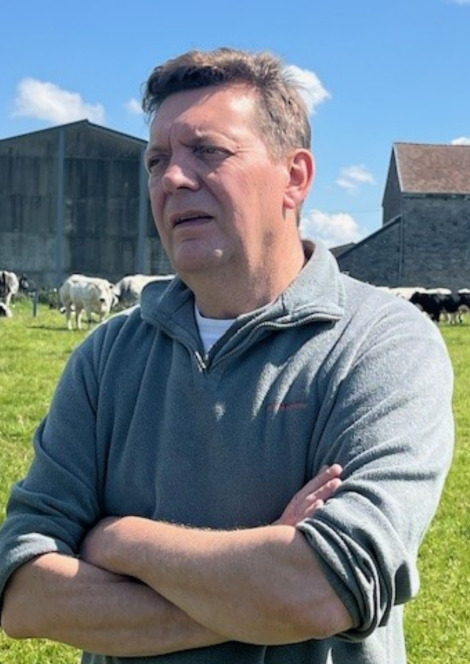
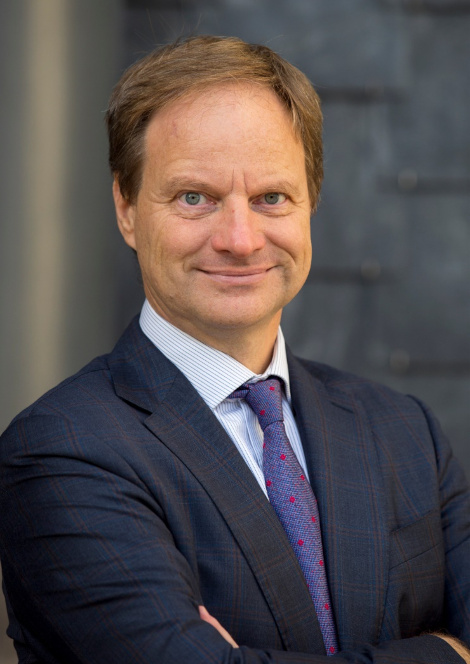
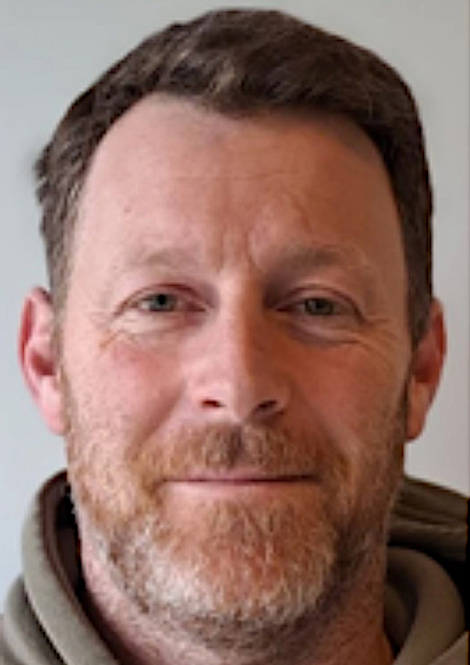
He serves as National Secretary of the Belgian Federation for Livestock and Meat Trade, representing and defending the interests of the agricultural and livestock sector.
In the 2024 European elections, he was elected as a Member of the European Parliament for Belgium’s French-speaking electoral college.
In the European Parliament, he sits with the Renew Europe political group and is a member of the Committee on International Trade (INTA), the Committee on Agriculture and Rural Development (AGRI), and the Committee on Transport and Tourism (TRAN). He is also the founder and co-chair of the Sustainable Livestock Intergroup.
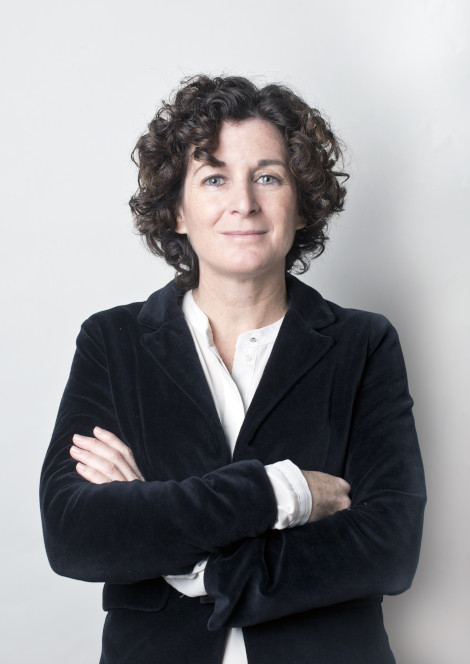
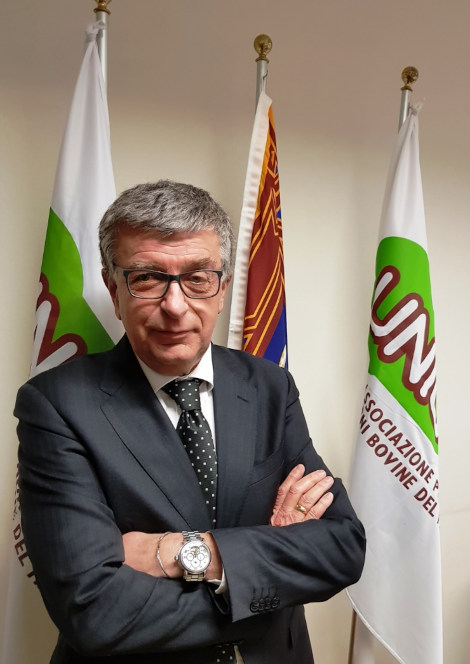
He held numerous management positions (Secretary of Young Farmers, Director of the Professional Training Center, Director of the Provincial Federation).
In 2004, he joined the management of the Unicarve Beef Producers Association (800 member companies producing 240,000 head of cattle) www.unicarve.it. Here, he designed and developed a “National Beef Plan,” achieving all its objectives and leading to the establishment of all the organizations currently operating in Italy in the beef cattle sector, which he manages:
• AOP Italia Zootecnica (Association of Producer Organizations recognized by the Ministry of Agriculture) www.italiazootecnica.it
• OI Intercarneitalia (Interprofessional Organization recognized by the Ministry of Agriculture) www.intercarneitalia.it
• Consorzio Sigillo Italiano www.sigilloitaliano.it – Consortium recognized by the Ministry of Agriculture for the promotion and dissemination of the National Livestock Quality System https://www.masaf.gov.it/flex/cm/pages/ServeBLOB.php/L/IT/IDPagina/4878
• OP Unicarve (Producers’ Organization recognized by the Veneto Region and the Ministry of Agriculture) for the marketing of beef with a “sales mandate”
He also contributed to the creation and establishment of the Sustainable European Livestock Meat Association (S.E.L.M.A.) at the European level, together with ASOPROVAC, PROVACUNO, and INTERBEV https://selma-association.com/
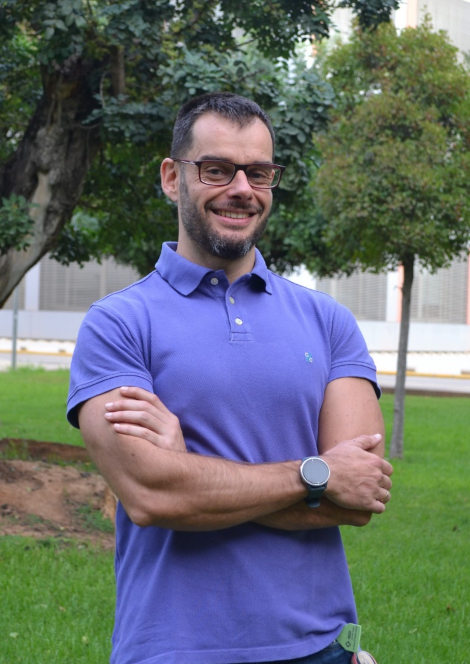
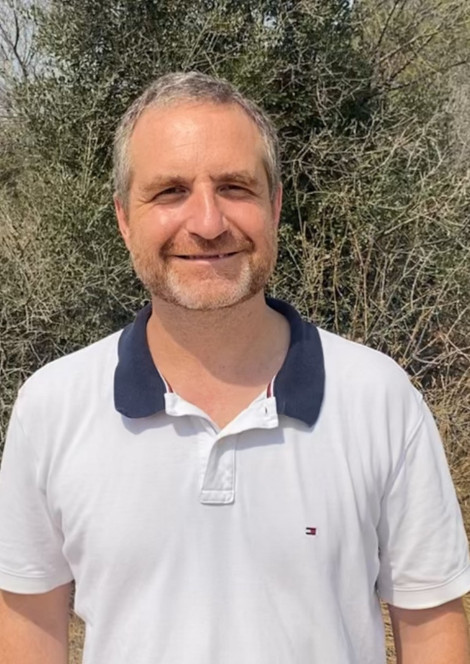
He was a Ramón y Cajal Fellow (2014-2019) and a faculty member at the Hawkesbury Institute for the Environment (Western Sydney University, 2011-2014).
He has written a book about Plant-Fire Interactions, over 150 scientific papers, and has been listed in the Stanford ranking of highly cited scientists since 2021. His two main lines of research are:
1. Forests and climate change: On the relationship between forests, CO2 and climate change effects.
2. Fire science and management: On the effects of climate change on the fire regimes and its consequences for health, safety and terrestrial ecosystems.
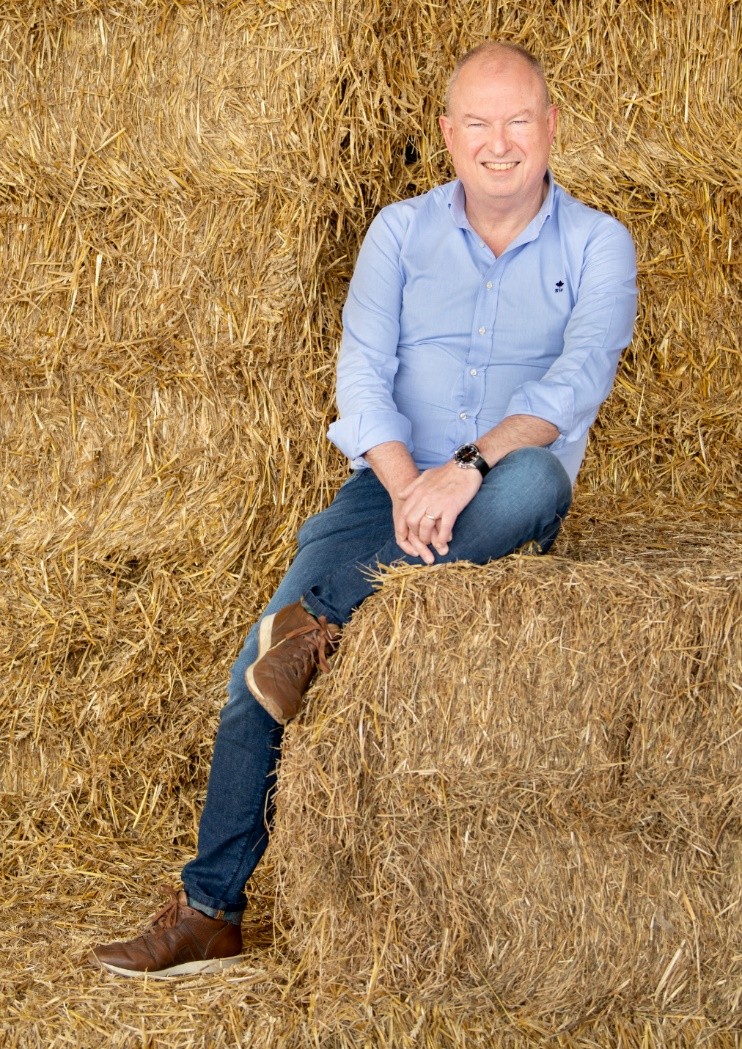
With a solid professional background in both the public sector and rural heritage management, Mattart was previously Deputy General Administrator of the Walloon Heritage Institute, as well as Chief of Staff to the Vice-President of the Walloon Government, with responsibilities in employment, training, finance, and budget. He also served as Government Commissioner to FOREM (Wallonia’s Public Employment and Training Service), giving him a cross-cutting view of economic, rural, and employment development policies.
He has a diverse educational background, holding an Executive Master’s in Public Management from the Université Libre de Bruxelles, a Master’s in Labor Sciences from the Catholic University of Leuven, and a diploma in Marketing from the Haute École Namur Luxembourg. In addition, he has completed executive certificates in public policy analysis and innovation at the London School of Economics and Political Science (LSE).
His connection to the agricultural world is also personal: he grew up in a family environment linked to the land, with maternal grandparents who were farmers and a father who was an agricultural machinery engineer who developed technologies for the Spanish market. This direct connection to agriculture has been key to his motivation and professional commitment to the primary sector.
Within the framework of the symposium, Philippe Mattart represents the institutional dimension of a Europe that is committed to sustainable agri-food systems that are connected to the territory and socially responsible. His experience in promotion, public governance, and territorial cohesion will provide a strategic and operational vision of how the sustainability of European beef also involves strengthening the link between quality, consumer confidence, and rural roots.
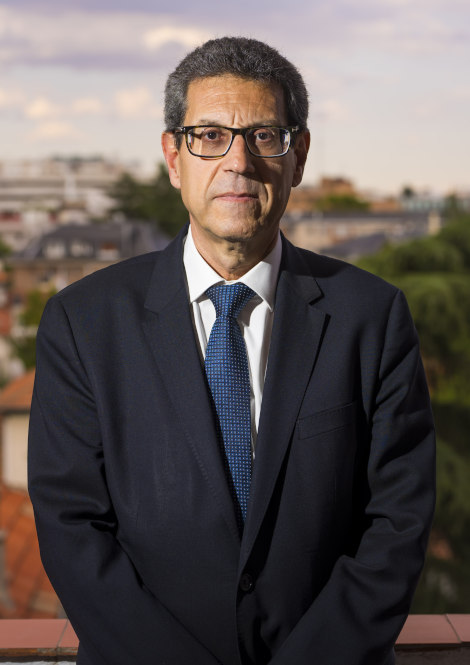
Javier has published more than 40 articles in magazines and other publications and has given presentations at conferences. He has also participated in and organized more than 350 seminars for producers, manufacturers, distributors, and others in the beef industry.
Among other achievements, he has been awarded the CESFAC medal for merit in animal feed, is a Knight of the French Order of Agricultural Merit, a Spanish expert in the European Commission’s Beef Forecast Group, and an expert in the National Commission for Animal By-products Not Intended for Human Consumption (SANDACH). He is also the director of the Provacuno Chair of Research in Animal Protein, Nutrition, and Health at UCAM.
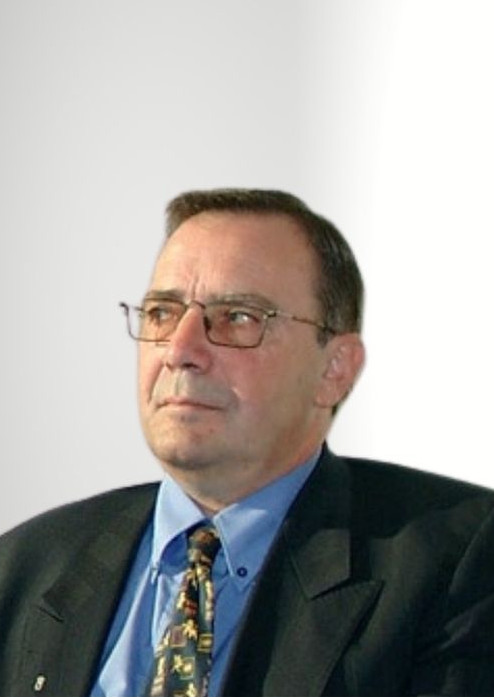
In both positions, Osterloh has played a key role in representing the sector before European institutions, actively participating in debates on sustainability, food safety, animal welfare, and meat market regulation. His approach combines in-depth knowledge of the beef value chain with a pragmatic perspective on the challenges facing economic operators in the sector, especially in a context of increasing regulatory pressure, logistical challenges, and changes in consumption patterns.
Heinz Osterloh is recognized for his ability to build bridges between producers, marketers, processors, and policymakers, as well as for his advocacy for fair, transparent, and sustainable trade. He has contributed in various European forums to positioning the beef sector as an active part of the European food transition, insisting on the need to ensure economic viability, territorial cohesion, and transparency in the supply chain.
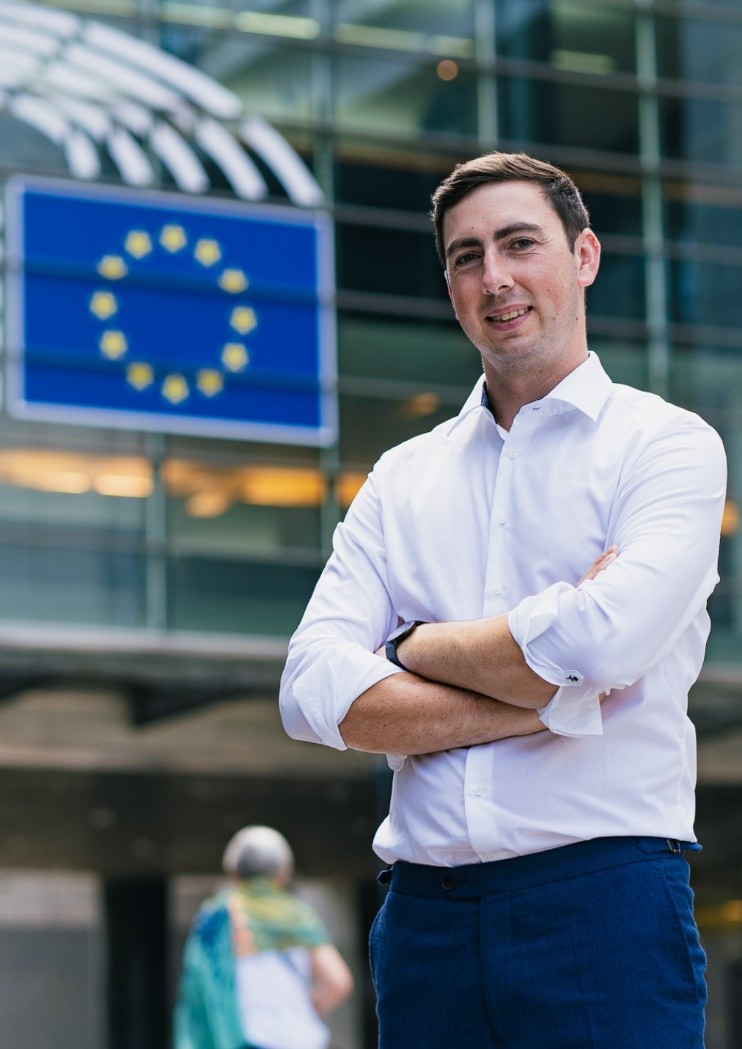
A graduate in Agricultural Sciences from the University of Applied Sciences in Vienna, Bernhuber has been managing his family’s livestock farm in Lower Austria, dedicated to crop cultivation and beef production, for more than a decade. This direct link to the rural world and work in the field gives him a deep understanding of the realities, challenges, and opportunities facing European farmers.
In the European Parliament, he is a member of the European People’s Party (EPP) and sits on the Committee on the Environment, Public Health, and Food Safety (ENVI), as well as on the Committee on Agriculture and Rural Development (AGRI). Since 2024, he has also been co-chair of the newly formed Intergroup on Sustainable Livestock Farming, a parliamentary platform that promotes dialogue between institutions, scientists, and representatives of the livestock sector for a balanced and data-driven transition to more sustainable systems.
Bernhuber has focused his efforts on facilitating access to the countryside for young people, promoting innovation and digitization in rural areas, and demanding that European policies recognize the strategic value of the family farming model. He is a staunch advocate of sustainability being compatible with profitability, rural culture, and territorial cohesion.
His participation in the First Symposium on the Sustainability of European Beef Cattle will bring a young, realistic, and committed perspective on the challenges of generational renewal and social sustainability in European livestock farming.
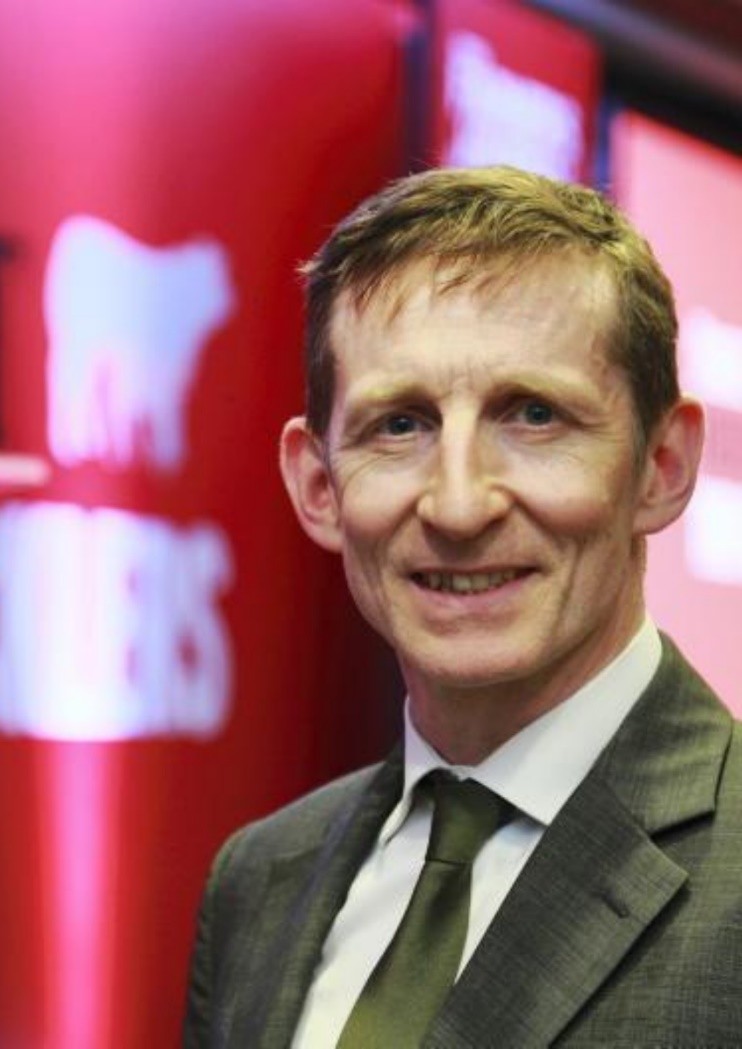
With extensive experience in political advocacy and agricultural legislation, MacHale participates in networks such as COPA-COGECA and monitors key European debates on sustainability, agricultural income, trade, and ecological transition. His knowledge of the European legislative framework allows him to provide an institutional perspective on how to effectively represent the needs of the countryside in the design of public policies.
At the roundtable on social sustainability, his presentation will offer insights on how to ensure that the voice of farmers is translated into fair regulatory frameworks that strengthen rural roots, livestock viability, and generational renewal.
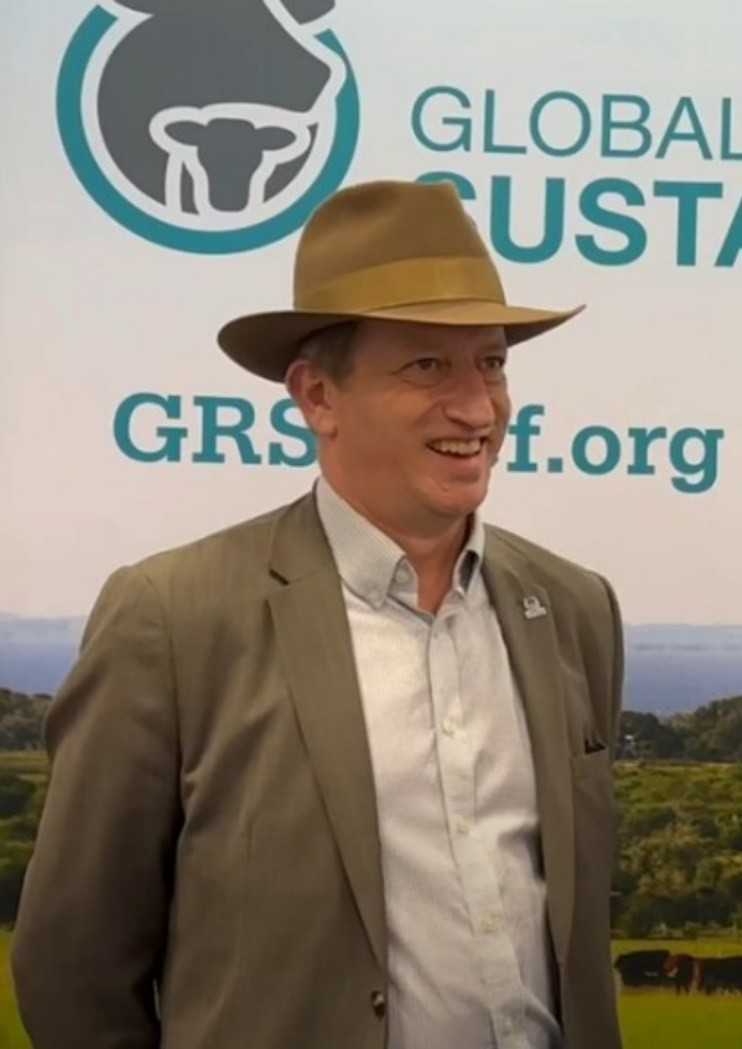
Originally from Scotland, Petre is an agricultural engineer specializing in animal production and has developed his professional career in Europe, Asia, Africa, and Oceania. Before leading the GRSB, he worked first as a farm manager followed by a career in international cooperation; farming systems development, animal health and responsible livestock production in different climatic and social contexts. His career combines field experience, strategic vision, and the ability to build global alliances.
Under his leadership, the GRSB has promoted international sustainability standards based on environmental, social, and economic criteria, promoting objectives such as climate neutrality, animal welfare, efficient land use, and the resilience of rural livelihoods.
During the symposium, Ruaraidh Petre will provide a comparative and global perspective on how multi-stakeholder sustainability frameworks are built and how European beef fits into this international context.
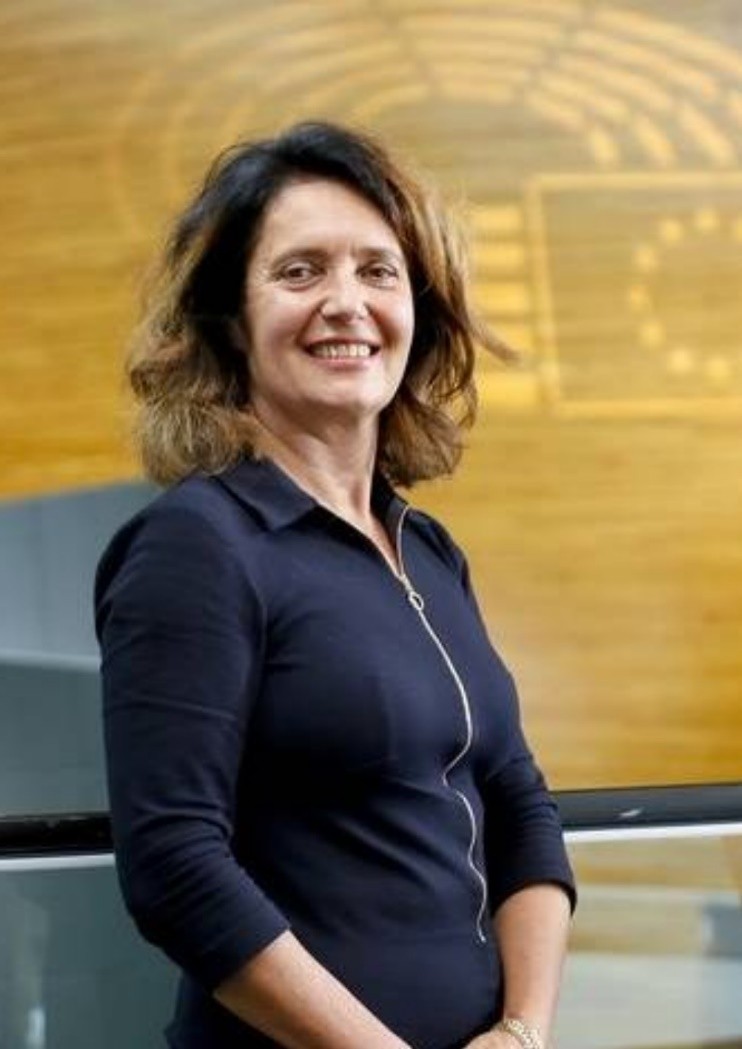
Professionally a winegrower, she combines first-hand agricultural experience with a deep commitment to territorial cohesion, equal opportunities and services for rural communities. She is currently Vice-President of LEADER France, the organization that manages rural development funding in France under the EU’s LEADER programme. Her work bridges local agricultural realities with European policies for inclusive, vibrant and sustainable rural areas.
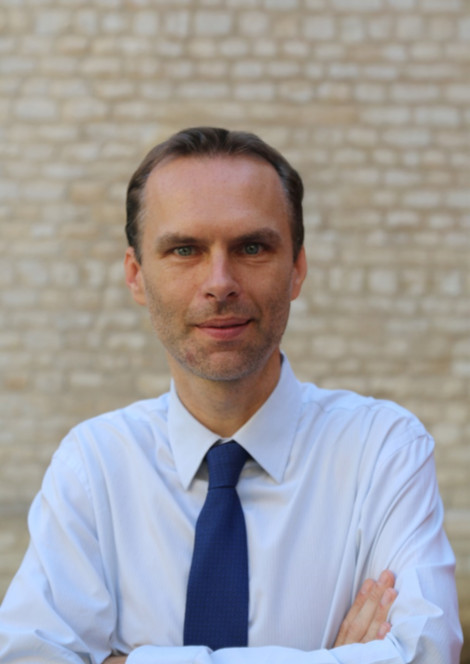
He has published widely on microbial ecosystems, fermentation, meat science and the socio-ecological dimensions of livestock production. As a vocal advocate for balanced and evidence-informed debates on food transitions, Dr. Leroy frequently participates in global fora and is a member of multiple scientific boards. As Technical Director of the Symposium, he strives for scientific coherence and a constructive dialogue between sectors, institutions, and knowledge systems.